

Choosing an Imaging Department That Meets Your Needs
Selecting a traveling assignment in medical imaging—whether as a radiologic technologist, MRI technician, ultrasound specialist, or nuclear medicine technologist—offers a unique blend of technology, patient interaction, and healthcare impact.
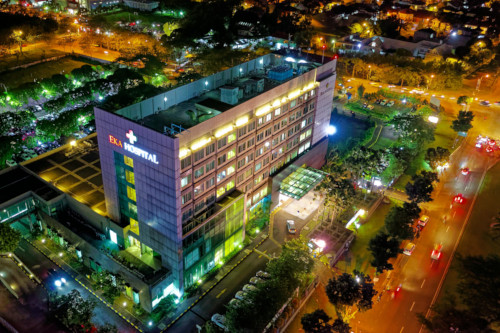 However, not all diagnostic imaging departments are created equal. Finding one that aligns with your personal and professional needs requires a deep dive into various factors that shape your day-to-day experience and long-term satisfaction.
Among these, work shifts and scheduling are pivotal, but other considerations—like equipment, staffing, and even parking—can be just as critical.
This comprehensive guide explores how to evaluate and succeed in finding a radiology department, with a focus on key considerations that ensure your needs as a traveling radiology professional are met.
Understanding the Role and Environment
Medical imaging professionals are essential to the diagnostic process, operating sophisticated equipment to produce images that guide treatment decisions. The role demands technical expertise in radiology, attention to detail, and empathy for patients, often under time-sensitive conditions. Because healthcare operates 24/7, imaging departments vary widely in their scheduling, staffing, and operational demands. Whether you’re considering a bustling hospital, a quiet outpatient clinic, or a specialized imaging center, the right fit depends on how well the department supports your lifestyle away from home, career goals, and well-being.
Below, we’ll break down the critical factors to consider, starting with work shifts and expanding into a broader array of considerations that shape your experience as a traveling medical imaging professional.
Work Shifts and Times: Finding the Right Fit
Scheduling is often the cornerstone of job satisfaction in medical imaging. The hours you work—and how they’re structured—can affect everything from your sleep to your social life. Here’s a detailed look at shift options and preferences to consider:
- Standard Day Shifts: Typically 8- to 10-hour shifts (e.g., 7 AM to 3 PM or 8 AM to 5 PM), these are common in outpatient settings. They offer predictability, making it easier to plan around family or personal commitments. However, daytime hours often mean higher patient volumes and a faster pace.
- Evening and Night Shifts: Found in hospitals with round-the-clock operations, these shifts (e.g., 3 PM to 11 PM or 11 PM to 7 AM) cater to emergencies and inpatients. Night shifts may provide a calmer environment and higher pay through shift differentials, but they can challenge your circadian rhythm. If you prefer minimal administrative overlap or thrive at night, these could be ideal.
- Rotating Shifts: Some departments require staff to cycle through day, evening, and night shifts. This variety can broaden your experience but may disrupt routine. Ask about rotation frequency—weekly, monthly, or ad hoc—and whether schedules are set far in advance.
- Shift Preferences: 10-12 Hour Shifts: Many imaging professionals prefer longer shifts (10-12 hours) for fewer workdays per week, often resulting in three- or four-day schedules. A 12-hour shift (e.g., 7 AM to 7 PM) might mean three days on, four days off, offering extended recovery time. However, these shifts demand stamina, especially during peak hours. Inquire whether the department offers this option and if it’s fixed or flexible.
- On-Call Duties: On-call shifts require you to be available for emergencies outside regular hours. This can boost income but may encroach on personal time. Ask how often you’re expected to be on call (e.g., one week per month) and how frequently call-ins occur—some facilities have rare activations, while others, like trauma centers, may call staff in weekly.
- Part-Time or Flexible Scheduling: Ideal for those balancing other commitments, part-time roles or flex hours provide adaptability. However, they might limit benefits or advancement opportunities. Check if the department supports this and how it integrates with full-time staff.
When evaluating shifts, consider your energy levels, family needs, and long-term health. During interviews, questions to ask include: Are shifts negotiable? How far in advance are schedules posted? Is overtime expected or optional? A department that accommodates your preferred hours—whether 8-hour days or 12-hour marathons—can significantly enhance your experience.

Facility Expectations: Floating to Multiple Locations
On occasion, some healthcare systems expect imaging techs to “float” between locations, such as a main hospital and satellite clinics. This can diversify your experience and expose you to different patient populations and equipment. However, it may also mean unpredictable commutes or adjusting to varying team dynamics. Ask: How often is floating required? Are travel expenses reimbursed? Is training provided for each site’s protocols? If you value stability, seek a department with a single, fixed location.
Staffing: How Many Techs Are Scheduled Per Shift?
The number of technologists on a shift impacts workload and support. Working alone—common in smaller clinics or overnight—requires independence but can feel isolating or overwhelming during emergencies. Larger departments might schedule multiple techs (e.g., 2-4 per shift), fostering collaboration and workload sharing. Inquire about typical staffing ratios and whether backup is available during peak times. A well-staffed shift reduces stress and enhances patient care, so this is a key metric of a supportive environment.
On-Call Expectations and Call-In Frequency
Beyond general on-call duties, clarify the department’s expectations and reality. Are you on call once a month or every other week? How often do call-ins happen—rarely, or multiple times per shift cycle? High call-in rates might indicate understaffing or a high-acuity patient population, like in Level I trauma centers. Departments with standby pay or guaranteed downtime post-call can offset the inconvenience. Understanding this upfront helps you gauge work-life balance.
Overtime: Expectation or Opportunity?
Overtime policies vary widely. In some facilities, it’s an expectation—especially during staff shortages—meaning you might regularly work beyond your scheduled hours. In others, it’s optional, offering a chance to earn extra income. As a radiology traveler you should ask: Is overtime mandatory or voluntary? What’s the typical frequency? Are there caps or incentives (e.g., time-and-a-half pay)? A department where overtime aligns with your financial and energy capacity is a better fit.
Equipment and Technology: Brands in Use
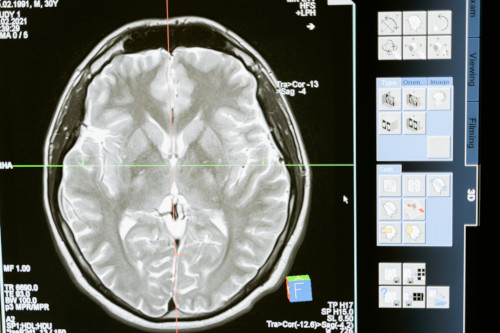 The quality and brand of imaging equipment can affect your workflow and skill development. Leading brands like GE Healthcare, Siemens, Philips, and Canon Medical Systems are common, each with distinct interfaces and capabilities. For example, GE’s MRI scanners might differ in user experience from Siemens’ models.
Familiarity with specific brands can ease your transition, while exposure to new ones can broaden your expertise. Ask: What equipment is in use? Is it regularly updated? Access to cutting-edge tools signals a department’s investment in quality care and staff growth.
Software: Charting and PACS Systems
Software is the backbone of imaging workflows, from patient charting to image data storage. Picture Archiving and Communication Systems (PACS) like Sectra, Fujifilm Synapse, or Agfa HealthCare are industry standards for archiving and retrieving images. Charting might use Electronic Medical Record (EMR) systems like Epic or Cerner. Familiarity with these platforms can streamline your day, while unfamiliar ones may require a learning curve. Ask: What software is used? Is training provided? Efficient systems reduce administrative burden and enhance focus on patient care.
Orientation Period: Duration and Structure
A thorough orientation sets you up for a successful contract. Some facilities offer a brief one-week intro, while others provide additional weeks, depending on complexity and your experience level. Orientation typically includes equipment training, software tutorials, shadowing seasoned techs, and reviewing protocols. Ask: How long is it? What’s covered? Traveling rad techs are often assumed to be seasoned pros, but a robust orientation allows for plenty of Q&A while reflecting a department’s commitment to staff readiness.
Dress Code: Scrubs and Specificity
Department dress codes often mandate scrubs, but specifics vary. Some require uniform colors (e.g., navy blue for techs, green for surgery), while others allow personal choice. Ask: Are scrubs provided or purchased? Are there restrictions on shoes or accessories? A comfortable, practical dress code can boost morale, especially during long shifts.
Traveling Imaging Techs: Presence and Impact
Traveling technologists are common in healthcare, but their presence could indicate staffing flexibility or shortages. Ask: Are travelers currently on staff? Have they been used historically? Are contracts regularly extended (e.g., from 13 weeks to 6 months)? A reliance on travelers could mean higher turnover or growth, affecting team cohesion. Conversely, their expertise can often enrich the department.
City and Area: Lifestyle Considerations
The facility’s location shapes your life outside work. A bustling city like Chicago offers cultural perks but higher living and housing costs, while a rural area might provide tranquility and affordability with fewer housing options. Research: What’s the cost of living? Are rental properties or amenities nearby? Is the area safe and commutable? A location that suits your personal life enhances overall satisfaction.
Parking Arrangements: Logistics and Costs
Parking might seem minor, but it impacts your daily routine. Options include:
- Onsite Parking: Convenient but possibly fee-based (e.g., $50/month).
- Street-Side Parking: Free or metered, but availability varies.
- Shuttle Services: Common in large campuses, requiring extra commute time.
Ask: Where do staff park? Are costs involved? Is it safe and accessible during night shifts? Hassle-free parking reduces stress, especially after a 12-hour day.
Thriving in Your Chosen Department
Once you’ve selected a department, success hinges on adaptation and advocacy:
- Engagement: Bond with colleagues, master equipment, and pursue growth opportunities.
- Resilience: For night or 12-hour shifts, maintain sleep, nutrition, and exercise routines.
- Time Management: Prioritize tasks and take breaks to sustain energy across long shifts.
- Communication: Voice shift or location preferences—proactive input builds trust.
Close the Deal
Choosing a medical imaging department that meets your needs is a multifaceted decision. Work shifts—whether 8-hour days or 12-hour marathons—set the rhythm, but factors like floating, staffing, equipment, and even parking fine-tune the fit. By researching thoroughly, asking targeted questions, and aligning the role with your lifestyle and goals, you can land in a department where you don’t just work—you thrive. In a field that marries technology and compassion, the right environment empowers you to excel, both for yourself and your patients.