

Cross-Country Traveling for Medical Professionals: A Guide to a Seamless Journey
For traveling medical professionals embarking on a 3-6 month assignment across the country, the journey to your new workplace is more than just a commute—it’s an opportunity to blend adventure with purpose. Whether you’re a sonographer, or CT tech, a well-planned cross-country trip can set the tone for a rewarding stint away from home. This guide offers practical tips on packing for hobbies, ensuring an enjoyable drive, scheduling stops at desirable destinations, and staying safe on the road, all while arriving with time to settle in.
Planning Your Packing: Bringing Home Along for the Ride
 A 3-6 month assignment means you’ll be away long enough to miss your routines, so packing thoughtfully is key. Beyond the essentials—clothes, toiletries, and work gear—consider items tied to your favorite hobbies and activities. These can anchor your downtime and make your temporary home feel familiar.
- For Outdoor Enthusiasts: If hiking or biking is your passion, pack your gear. A collapsible bike or lightweight hiking boots can fit in most vehicles, letting you explore trails near your new location. Don’t forget a compact first-aid kit—your medical training will appreciate the preparedness.
- For Creatives: Artists might bring a sketchpad, portable easel, or small set of paints. Musicians could pack a travel guitar or keyboard. These items don’t take much space but keep your creative spark alive after long shifts.
- For Relaxation: Love reading? A tablet loaded with e-books saves space. Yoga fans might pack a roll-up mat and resistance bands for quick sessions. Even a favorite coffee mug or tea infuser can turn a sterile apartment into a cozy retreat.
Space is finite, so prioritize multi-use items. A laptop, for instance, can double as a movie screen, music hub, and work tool. Pack light but smart—think about what will sustain your mental health during months away.
Making the Trip Enjoyable: Turning Miles into Memories
A cross-country drive doesn’t have to be a grind. With assignments often starting on a Monday, aim to leave a week early. This buffer lets you enjoy the journey and arrive refreshed, not rushed.
- Map Your Route with Intention: Use tools like Google Maps or Roadtrippers to plot your path, but don’t just aim for the fastest route. Identify destinations that excite you. Heading from New York to Colorado? Stop at Niagara Falls or Great Smoky Mountains National Park. Driving from California to Texas? Joshua Tree or Big Bend could break up the monotony.
- Schedule Leisurely Stops: Plan 6-8 hour driving days, leaving time for exploration. Spend a morning at a national park, grab lunch at a local diner, or visit a quirky roadside attraction (think World’s Largest Ball of Twine). These breaks keep you energized and turn the trip into a mini-vacation.
- Pack a Cooler: Stock it with snacks, water, and a few meals. This saves money and time, especially in remote stretches where options are slim. Toss in a treat like dark chocolate or trail mix for a morale boost.
Time your departure to avoid peak traffic—early mornings or late evenings work best in urban areas. Download podcasts or playlists for entertainment, but keep one ear free for road awareness.
Arriving with Time to Spare: Settling In Smoothly
Arriving 2-3 days before your start date gives you a cushion to unpack, shop for groceries, and scout your new workplace. It also lets you adjust to the time zone and recover from the drive.
- Plan Your Final Leg: The last day’s drive should be short—4-5 hours max—so you’re not exhausted when you arrive. Book lodging or confirm housing details in advance. Many agencies provide furnished apartments, but double-check what’s included (e.g., linens, kitchenware) to avoid last-minute scrambles.
- Use the Buffer: Spend your extra days exploring your new town. Find a gym, coffee shop, or park to anchor your routine. This head start eases the transition into work mode.
Safety Tips on the Road: Staying Secure Mile After Mile
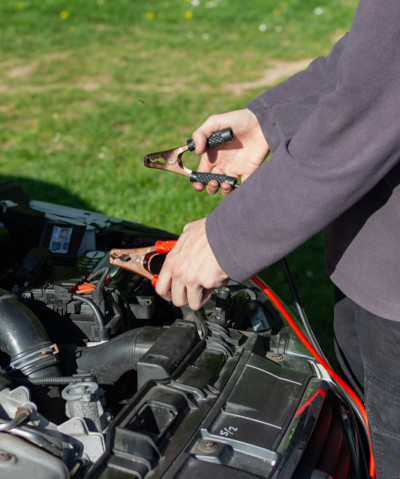 Long drives come with risks, but preparation keeps you safe.
- Vehicle Prep: Before you leave, get an oil change, check tires (including the spare), and test brakes and lights. Pack a roadside emergency kit: jumper cables, flashlight, blankets, and a phone charger. AAA membership or roadside assistance through your insurance is a smart backup.
- Driving Smart: Avoid fatigue—stop every 2-3 hours to stretch or nap. Don’t drive more than 10 hours daily. In bad weather, slow down or pull over; your skills are needed at the hospital, not on the roadside.
- Stay Aware: Keep doors locked at stops, especially in unfamiliar areas. Park in well-lit spots and avoid sharing real-time location updates online until you’re safely settled.
Planning Overnight Stops: Comfort and Convenience
Breaking up the trip with overnight stays keeps you rested and adds fun.
- Choose Wisely: Book hotels or campgrounds near your scenic stops. Apps like HotelTonight or KOA can help. Aim for places with free cancellation in case plans shift. If you’re on a budget, look for chain motels with loyalty points—many offer free breakfast.
- Safety First: Stick to populated areas for overnight stays. Check reviews for cleanliness and security. If camping, pick established sites over wild spots for better access to help if needed.
- Pack for the Night: Keep a small bag with pajamas, toiletries, and a change of clothes separate from your main luggage. It’s less hassle than unloading everything.
Additional Considerations: Flexibility and Fun
- Weather Watch: Check forecasts along your route. Snow in the Rockies or rain in the South could delay you—build in extra time or alternate routes.
- Connect Locally: Use X or forums to find recommendations from locals or other travelers about hidden gems en route.
- Document It: Snap photos or journal your stops. These memories will enrich your story when you’re back home.
The Payoff: A Journey Worth Taking
For traveling medical professionals, a cross-country move is more than logistics—it’s a chance to blend work with exploration. Take Sarah, a nurse who drove from Florida to Oregon for a 6-month contract. She packed her kayak, stopped at Lake Tahoe to paddle, and arrived in Portland with days to hike Multnomah Falls before her first shift. Or consider Dr. Patel, who turned his Texas-to-Maine trek into a food tour, sampling BBQ, Cajun, and lobster rolls along the way.
With careful planning, your trip can be as rewarding as the assignment itself. Pack what keeps you grounded, plot a route that excites you, and prioritize safety and rest. You’re not just heading to a job—you’re embarking on an adventure that marries your skills with your spirit. By the time you pull into your new town, you’ll be ready to heal, explore, and thrive.